Cost Factors in the Water Damage Remediation Process

Water Damage Remediation Salt Lake City

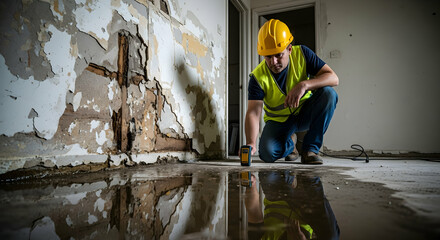
Water damage can be extremely expensive to repair, particularly if left unattended. It can lead to mold growth, weaken drywall and warp flooring, and reduce property value.

Homeowners should be aware of the factors that affect restoration costs to better prepare themselves for unexpected expenses and work effectively with their insurance companies. Contact Water Damage Remediation Salt Lake City for more information.

The Extent of the Damage

When water damage occurs, it can be a major nuisance and even dangerous to your health. If it’s not addressed quickly, the damages may worsen over time and cause structural issues or mold growth. That’s why it’s important to have an understanding of the water restoration process so that you can take quick action when a problem arises.

The first step in the water damage remediation process is called mitigation. Mitigation is the immediate steps taken to minimize the damage caused by stopping the water flow and removing any excess moisture from the affected areas.

This can include things like opening flood doors, turning off the water supply, and putting in place temporary barriers to keep the water from spreading. It also includes cleaning up and disposing of any personal belongings that were in the area that was affected by the water.

A professional assessment of the water damage is done to determine what repairs are needed. The assessment is then used to create a detailed water remediation plan. This is where the damage is estimated both financial (like repair bills and medical expenses) and non-financial (like pain and suffering). This helps ensure that all aspects of the water damage are covered and that a comprehensive settlement is reached.

If the source of the water is contaminated, it may be necessary to remove any building materials that have been damaged. This is especially true if the water damage was caused by gray or black water, which can be traced back to sources like sewer pipes. The removal of these materials can also be helpful in preventing the spread of contaminants to unaffected areas.

Once the water has been removed and any affected materials have been discarded, the next step in the process is drying and dehumidification. This can include circulating warm dry air and regulating humidity to prevent the development of mold. It can also involve sanitizing the affected materials and contents to reduce the risk of contamination and odors.

Once the building materials and contents have been dried, they can be restored to their original state. This can include minor restoration work, like patching drywall and replacing baseboards, or it can be more substantial repairs, such as restoring the HVAC system, rebuilding walls and ceilings, and replacing flooring.

The Category of Water

Water damage can quickly destroy the integrity of your home, create health risks, and lead to costly structural issues. It’s important to hire a professional water damage restoration company to mitigate the effects of unwanted moisture intrusions as soon as possible to minimize the risk of secondary damage. If left untreated, even a small leak can compromise your home’s foundation, cause mold to grow and damage personal belongings. The sooner your home is restored, the more money you’ll save in the long run.

The severity of the moisture problem determines how much work will be required to dry, clean and restore your home. Your water remediation expert will start by assessing the situation to determine how bad the damage is and which steps need to be taken next. They’ll use different systems to categorize the extent of the damage, including Category and Class.

Categories describe the type of water and its potential to cause health hazards or other problems. Clean or sanitary water, such as water from a burst pipe or overflowing toilet, is Category 1. Grey water, which includes soap, food particles, or organic matter, may be Category 2. This typically results from flooded basements, clogged bathtubs and sinks, washing machine leaks, or appliance malfunctions that involve water supply lines.

Black or contaminated water is considered Category 3 and poses significant health hazards. This could include water from sewage backups, chemical spills, or toxic mold. It’s typically unsafe to touch or breathe, and any belongings affected by this type of water must be disposed of immediately. Your water remediation expert will be able to tell you whether any of your personal belongings can be saved.

Once your team understands the severity of the water problem, they’ll implement a structured mitigation process. This usually includes high-powered extraction equipment, dehumidification devices, air movers, and monitoring tools to ensure that all of the moisture is removed from the property. Depending on the level of contamination, your water damage remediation experts might also need to remove and replace building materials like carpet pads or drywall.

The Affected Materials

Water remediation is a crucial step that ensures a sanitary environment where restoration professionals can begin work to return properties back to their pre-loss state. It involves the cleaning, drying, and sanitizing of all affected materials to prevent further damage from mold, mildew, and bacteria. It also involves removing and properly disposing of any items that can no longer be saved.

The first step of the water remediation process is to inspect and assess the extent of the damage. This includes identifying the source, water contamination category, and water damage class. This information will determine what steps the professional needs to take to restore your home or business. For example, class 1 water damage typically involves a small area of wet material with minimal porosity, while class 2 damage usually affects a larger area of porous material such as carpet and drywall. In contrast, class 3 damage often involves extensive saturation of wet materials with low evaporation rates such as plaster, concrete, and hardwood.

Once the inspection has been completed, the next step is to remove any standing water from the property. This is done through extraction using industrial vacuums and submersible pumps. This step is important because it can prevent further damage to the property and its contents and reduce the risk of health hazards from mold, bacteria, and other pathogens.

Finally, the property must be dried and dehumidified to prevent any structural problems or potential secondary damages. This is usually done using air movers and dehumidifiers, as well as desiccant dehumidifiers in cold temperatures.

While it may seem like the water remediation and restoration processes go hand-in-hand, they are actually two separate processes with distinct goals. Mitigation is the first step and focuses on minimizing the initial damage, while remediation is the cleanup work that enables restoration experts to begin their restoration work.

The Labor Costs

Water damage restoration costs can quickly add up. Understanding the factors that influence the price of repairs is key to avoiding surprises and getting the best value.

The size of the affected area is one of the most important cost drivers. Larger areas require more time, materials and equipment to dry out and make repairs, resulting in higher costs.

The type of water is another factor that significantly impacts cleanup costs. Clean water from supply pipes and rain is the cheapest to remove, while grey water from appliances and black water from sewage backups or floods require more advanced extraction and disinfection procedures. The more contaminants present in the water, the higher the cleanup costs.

Material types also play a role in restoration costs. Hardwood floors, drywall and carpeting all require different restoration techniques and have varying repair costs. Similarly, moisture exposure can damage electrical systems and appliances, requiring additional costly repairs.

Lastly, the longer an area of your home remains saturated with water, the more extensive the damage will be. Water that sits for an extended period of time seeps deeper into materials, causing warping, rotting and mold growth. This can result in the need for complete replacement of materials like drywall, insulation and flooring.

Local climates also affect restoration costs. Severe storms and flooding in coastal areas, and ice accumulation in the Northeast all increase the cost of emergency water damage repair services.

Water damage remediation is a complex process that requires a high level of skill and training. Because of this, hiring a professional water damage restoration company is highly recommended. Reputable companies will assess the scope of the problem, take moisture readings and develop a work plan. This will include a detailed breakdown of all labor and material costs to repair your property to pre-loss condition. They will also provide detailed documentation of all restoration work to ensure accurate insurance claims. Depending on the severity of your water damage, you may need to consult with an insurance adjuster to assist in filing a claim. The adjuster will review the claim to determine if it is valid and help you get the maximum settlement for your repair costs.
Reliable Plumbing Services for Fast and Efficient Repairs

Rosenberg Plumbing systems play a crucial role in maintaining the comfort, safety, and functionality of any residential or commercial property. When issues arise unexpectedly, they can quickly disrupt daily routines and lead to costly damage if not addressed promptly. This is why reliable plumbing services are essential for fast, efficient, and long-lasting repairs.

Whether dealing with minor leaks, broken fixtures, or full-scale pipe damage, having access to skilled plumbing professionals ensures that problems are resolved correctly the first time. Understanding the importance of dependable plumbing support helps homeowners and business owners protect their property and maintain a smooth, worry-free environment.

plumbing

Plumbing problems often appear without warning, and even seemingly small issues can escalate rapidly if ignored. A dripping faucet, for example, may seem like a minor inconvenience at first, but over time, it can waste significant amounts of water and increase utility costs. Similarly, slow drains may indicate hidden clogs deep within the piping system, causing wastewater backups and foul odors. Reliable plumbing services provide timely inspection and repair, preventing minor problems from turning into major headaches. By contacting a professional at the first sign of trouble, property owners can avoid unnecessary stress and expenses down the line.

One of the most common plumbing concerns involves leaking pipes. Leaks can develop for various reasons, including corrosion, pipe aging, temperature fluctuations, and physical damage. If left unaddressed, water leaks can lead to mold growth, structural damage, and deteriorating indoor air quality. Professional plumbers have the expertise to locate both visible and hidden leaks using advanced diagnostic tools. Once identified, they can implement precise repairs, whether through sealing, replacement, or re-piping. Reliable services ensure that leaks are fully resolved, helping maintain the integrity and safety of the entire plumbing system.

Clogged drains are another frequent plumbing issue that requires quick and efficient solutions. Homeowners often attempt DIY fixes using chemical cleaners or plungers, but these methods may only offer temporary relief. Many clogs form deeper within the drainage pipes, where household tools cannot reach. Professional plumbers use specialized equipment such as drain snakes and hydro-jetting systems to eliminate stubborn blockages thoroughly. This not only restores proper drainage but also helps prevent future clogs by removing debris buildup. Reliable drain cleaning services contribute to a cleaner, more efficient plumbing network and reduce the risk of recurring problems.

Water heater issues are also common sources of frustration for property owners. A malfunctioning water heater can disrupt essential daily tasks such as bathing, cooking, and cleaning. Problems may include inconsistent water temperatures, strange noises, or insufficient hot water supply. Professional plumbers are trained to diagnose and repair various types of water heaters, including traditional tank systems and modern tankless models. Reliable plumbing services ensure that repairs are handled safely and efficiently, restoring hot water access as quickly as possible. For older or heavily damaged units, professionals may recommend replacements that provide improved energy efficiency and long-term performance.

Toilet malfunctions can also disrupt daily routines, especially in busy households or commercial environments. Issues like constant running, weak flushing, or frequent clogs not only waste water but also create inconvenience. Reliable plumbing services address these concerns promptly by inspecting internal components, clearing blockages, and repairing or replacing faulty parts. In cases where the toilet structure is severely worn, a full replacement may be suggested to improve performance and water efficiency. Professional repairs ensure that toilets function smoothly and consistently, reducing the likelihood of repeat issues.

Faucets and fixtures are essential for controlling water flow throughout a property, and when they malfunction, they can cause leaks, water waste, and functional disruptions. Whether in the kitchen, bathroom, laundry area, or outdoor spaces, faucets can experience wear over time that leads to dripping, strange noises, or difficulty turning handles. Reliable plumbing services provide efficient repairs or replacements for worn-out fixtures, restoring smooth water flow and preventing unnecessary water loss. Modern fixture upgrades, such as low-flow faucets and touchless designs, can further improve convenience and efficiency for property owners looking to enhance their plumbing systems.

In addition to repairs, reliable plumbing services also include preventive maintenance. Regular plumbing inspections are essential to keep systems operating at peak performance. Maintenance tasks may involve checking for leaks, evaluating water pressure levels, inspecting water heaters, cleaning drains, and assessing the overall condition of pipes and fixtures. Routine maintenance helps identify issues early, reducing the likelihood of emergencies and extending the lifespan of plumbing components. Property owners who invest in preventive care often enjoy fewer disruptions, lower repair costs, and improved system efficiency over time.

Emergency plumbing services are another critical component of reliable support. Plumbing emergencies can occur at any moment, often requiring immediate attention to prevent severe damage. Burst pipes, overflowing toilets, and major leaks demand fast response times and skilled intervention. Reliable plumbers are equipped to handle urgent situations efficiently, using the necessary tools and expertise to resolve the problem quickly. Emergency services provide peace of mind for property owners who need immediate solutions to protect their property from further harm.

Modern plumbing technology also plays a significant role in delivering fast and efficient repairs. Professional plumbers have access to advanced tools and equipment that allow them to diagnose problems accurately and complete repairs with precision. Video inspection systems, leak detection devices, high-pressure water jets, and trenchless repair methods are just a few examples of technologies that enhance the speed and effectiveness of plumbing services. By utilizing modern solutions, reliable plumbers can minimize disruptions, reduce labor time, and ensure long-lasting repair outcomes.

Sewer line issues can be particularly serious, as they affect the entire property’s drainage system. Problems such as tree root intrusion, pipe corrosion, or ground shifting can cause blockages or damage to sewer lines. Reliable plumbing services include thorough inspections using specialized cameras to identify the exact cause and location of the problem. Depending on the issue, plumbers may use trenchless repair techniques, pipe relining, or targeted replacements to restore proper sewer function without extensive excavation. Efficient sewer line repairs help maintain healthy drainage systems and prevent unpleasant backups or property damage.

Another important element of reliable plumbing service is transparency and clear communication. Property owners benefit from knowing what repairs are needed, why they are necessary, and how long the process will take. Professional plumbers explain the nature of the issue, outline available solutions, and provide cost estimates before work begins. This level of transparency helps clients make informed decisions and builds trust in the service provider. Efficient repairs paired with honest communication contribute to a reliable and positive plumbing experience.

Water quality is another area that reliable plumbers can address. Many properties experience issues related to hard water, mineral deposits, or contaminants. These problems can cause scale buildup in pipes, reduce fixture lifespan, and affect the taste and clarity of water. Plumbing professionals can recommend and install filtration or water conditioning systems to improve water quality throughout the property. Clean, high-quality water enhances daily living and helps preserve the efficiency of plumbing components.

For property owners planning renovations or upgrades, reliable plumbing services are essential for ensuring that new installations operate smoothly and meet modern standards. Whether remodeling a kitchen, updating a bathroom, or adding new plumbing features, professionals ensure that all pipes, fittings, and fixtures are installed correctly. Proper installation reduces the risk of future leaks, improves system efficiency, and ensures compliance with relevant codes and best practices. Skilled plumbers can also offer recommendations on the best fixtures, materials, and layouts for optimal performance.

Sustainability is becoming a major focus in modern plumbing solutions, with property owners increasingly interested in reducing water consumption and energy usage. Reliable plumbing services include guidance on eco-friendly options such as low-flow fixtures, energy-efficient water heaters, and smart water monitoring systems. Implementing these upgrades can contribute to long-term savings and support environmentally conscious living. Professional plumbers ensure that sustainable solutions are integrated effectively without compromising comfort or performance.

Fast and efficient repairs rely on experienced professionals who understand the complexities of plumbing systems. Skilled plumbers undergo extensive training and stay updated on industry advancements to provide high-quality service. Their expertise allows them to diagnose problems quickly, recommend effective solutions, and deliver long-lasting results. Preventing recurring issues requires both technical knowledge and practical experience, making professional involvement essential for maintaining reliable plumbing systems.

Ultimately, reliable plumbing services are invaluable for ensuring fast and efficient repairs in any property. Prompt attention to issues, combined with expert diagnosis and modern repair methods, helps maintain a safe and functional environment. Whether addressing leaks, clogs, water heater problems, or sewer line concerns, professional plumbing support minimizes disruptions and protects the property from significant damage. With preventive maintenance, emergency response, and sustainable upgrade options, reliable plumbers provide comprehensive solutions tailored to the needs of each client.

Investing in dependable plumbing services not only resolves current issues but also strengthens the entire plumbing system for years to come. Property owners who prioritize reliable repairs enjoy greater peace of mind, improved system performance, and enhanced overall comfort. By recognizing the importance of swift, efficient, and professional plumbing support, homeowners and businesses can ensure the long-term health and reliability of their water and drainage systems.

Plumbing Solutions That Keep Your Home Flowing Smoothly

Plumbing is one of the most essential systems in any home or building, providing clean water for daily use and ensuring wastewater is safely removed. From faucets and sinks to water heaters and drainage systems, plumbing makes modern living possible. Yet, many people take it for granted until a problem arises. Understanding the basics of plumbing, common issues, and ways to maintain a system can help homeowners keep everything running smoothly while avoiding costly repairs.

plumbing

The Importance of Plumbing in Everyday Life

Plumbing is about more than just convenience—it’s about health, safety, and comfort. A well-functioning system ensures that clean water is available for drinking, cooking, bathing, and cleaning. At the same time, it safely disposes of wastewater, protecting homes from potential damage and reducing health risks. Without reliable plumbing, daily tasks would be much harder and living conditions far less comfortable.

Key Components of a Plumbing System

To better understand how plumbing works, it helps to know the main components that make up the system:

  • Pipes and Fittings – The network that delivers water to fixtures and carries waste away.
  • Fixtures – Sinks, toilets, showers, and bathtubs that allow access to water.
  • Water Heater – Provides hot water for showers, dishwashing, and other needs.
  • Drainage System – Removes wastewater from the home and directs it safely away.
  • Valves – Control water flow and allow for shut-off during repairs or emergencies.

Common Plumbing Issues Homeowners Face

Even with proper care, plumbing systems can develop problems over time. Some of the most frequent issues include:

  • Leaky Faucets – Wasted water and higher bills often result from worn washers or seals.
  • Clogged Drains – Hair, grease, and debris can block sinks, showers, and toilets.
  • Running Toilets – A faulty flapper or valve can cause continuous water flow.
  • Low Water Pressure – Often caused by mineral buildup, leaks, or pipe issues.
  • Burst Pipes – Extreme weather or aging pipes can lead to serious water damage.
  • Water Heater Problems – Lack of hot water, leaks, or strange noises can indicate trouble.

Preventive Maintenance for Plumbing Systems

Prevention is always better than repair, and simple maintenance steps can extend the life of a plumbing system while reducing the risk of emergencies.

  • Check for Leaks Regularly – Inspect faucets, pipes, and toilets for small leaks that can worsen over time.
  • Avoid Harsh Chemicals – Chemical drain cleaners may damage pipes; instead, use natural alternatives or mechanical tools.
  • Protect Pipes in Winter – Insulate exposed pipes to prevent freezing and bursting.
  • Flush the Water Heater – Regularly draining the water heater removes sediment buildup and improves efficiency.
  • Use Strainers in Drains – Catching hair and debris can prevent blockages.
  • Know the Main Shut-Off Valve – Being able to stop water flow quickly can prevent major damage in emergencies.

Modern Plumbing Innovations

Plumbing technology has advanced significantly, offering homeowners greater convenience, efficiency, and sustainability. Some of the latest innovations include:

  • Tankless Water Heaters – Provide hot water on demand while saving energy.
  • Smart Leak Detectors – Monitor for leaks and send alerts to prevent costly damage.
  • Water-Saving Fixtures – Low-flow toilets, faucets, and showerheads reduce water usage.
  • PEX Piping – Flexible, durable, and resistant to corrosion, PEX is replacing traditional piping in many homes.
  • Greywater Recycling – Reusing water from sinks and showers for irrigation helps conserve resources.

When to Call a Professional

While some plumbing tasks, like unclogging a drain or fixing a leaky faucet, can be handled with basic tools, more complex issues require professional expertise. Signs that it’s time to call a professional include:

  • Persistent or recurring clogs
  • Low water pressure throughout the home
  • Strange smells are coming from the drains
  • Water discoloration or unusual taste
  • Flooding or burst pipes
  • Problems with water heaters or sewage systems

Attempting to fix these issues without proper knowledge can lead to bigger problems and costly repairs.

Plumbing and Home Value

Well-maintained plumbing not only ensures comfort and safety but also adds value to a home. Prospective buyers often check for leaks, water pressure, and the condition of fixtures. Updated plumbing systems with modern, water-efficient features can increase appeal and marketability. Investing in quality plumbing improvements can pay off both in daily living and future resale value.

Eco-Friendly Plumbing Practices

Sustainability is becoming increasingly important, and plumbing plays a big role in water conservation. Homeowners can adopt eco-friendly practices to save money and reduce environmental impact.

  • Install low-flow fixtures to minimize water usage.
  • Fix leaks immediately to prevent waste.
  • Collect rainwater for outdoor use.
  • Reuse greywater for landscaping.
  • Upgrade to energy-efficient water heaters.

The Future of Plumbing

As technology continues to advance, plumbing systems are becoming smarter and more efficient. From automated leak detection to voice-controlled fixtures, innovation is shaping the way people manage water in their homes. The future of plumbing focuses on sustainability, efficiency, and convenience, making it easier than ever to maintain healthy, functional systems.

Plumbing is the backbone of a safe and comfortable home, ensuring access to clean water and proper waste disposal. By understanding how plumbing systems work, addressing common issues, and practicing preventive maintenance, homeowners can protect their investment and enjoy peace of mind. With modern innovations and eco-friendly solutions, plumbing is evolving to meet the demands of today’s households while preparing for a more sustainable future.

Whether it’s fixing a small leak, upgrading fixtures, or investing in long-term improvements, caring for your plumbing system is essential to keeping your home running smoothly and efficiently.

Navigation